Day Trip To Tangalooma
Day Trip to Tangalooma Dolphin Feeding
Tours & tickets

Day Trip to Tangalooma Dolphin Feeding

Wild bottlenose encounters at sunset, shipwreck snorkeling by day

Hand-picked by our editors — only the best 5 experiences from 12 reviewed.

Free cancellation Instant confirmation Mobile voucher Verified partner Skip-the-line
Tickets

Choose your ticket

Verified partners for every tour, free cancellation where available, and instant confirmation on every booking.

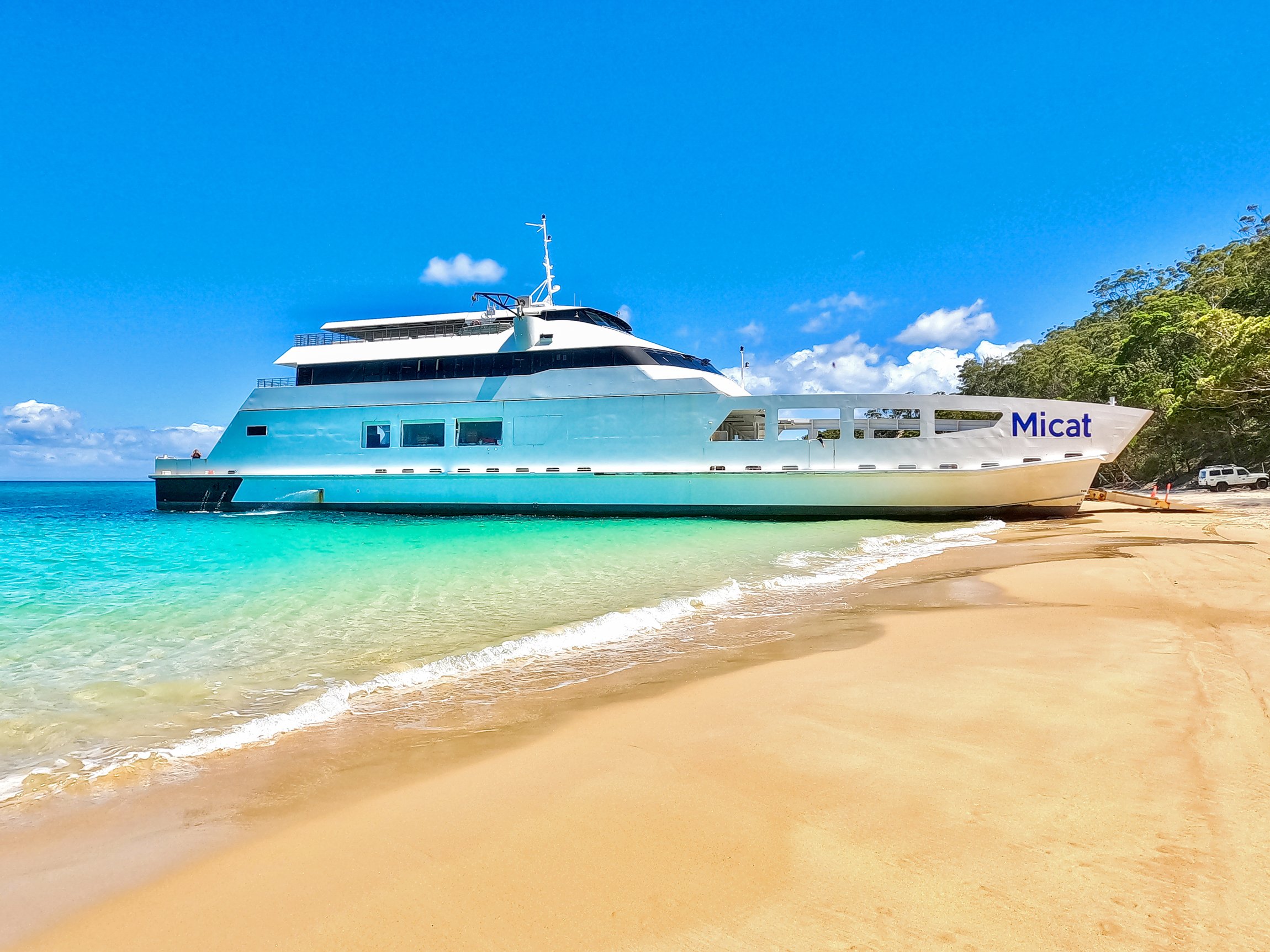
Moreton Island Ferry & Adventure Day Pass from Brisbane 9 hr
Premium Combo

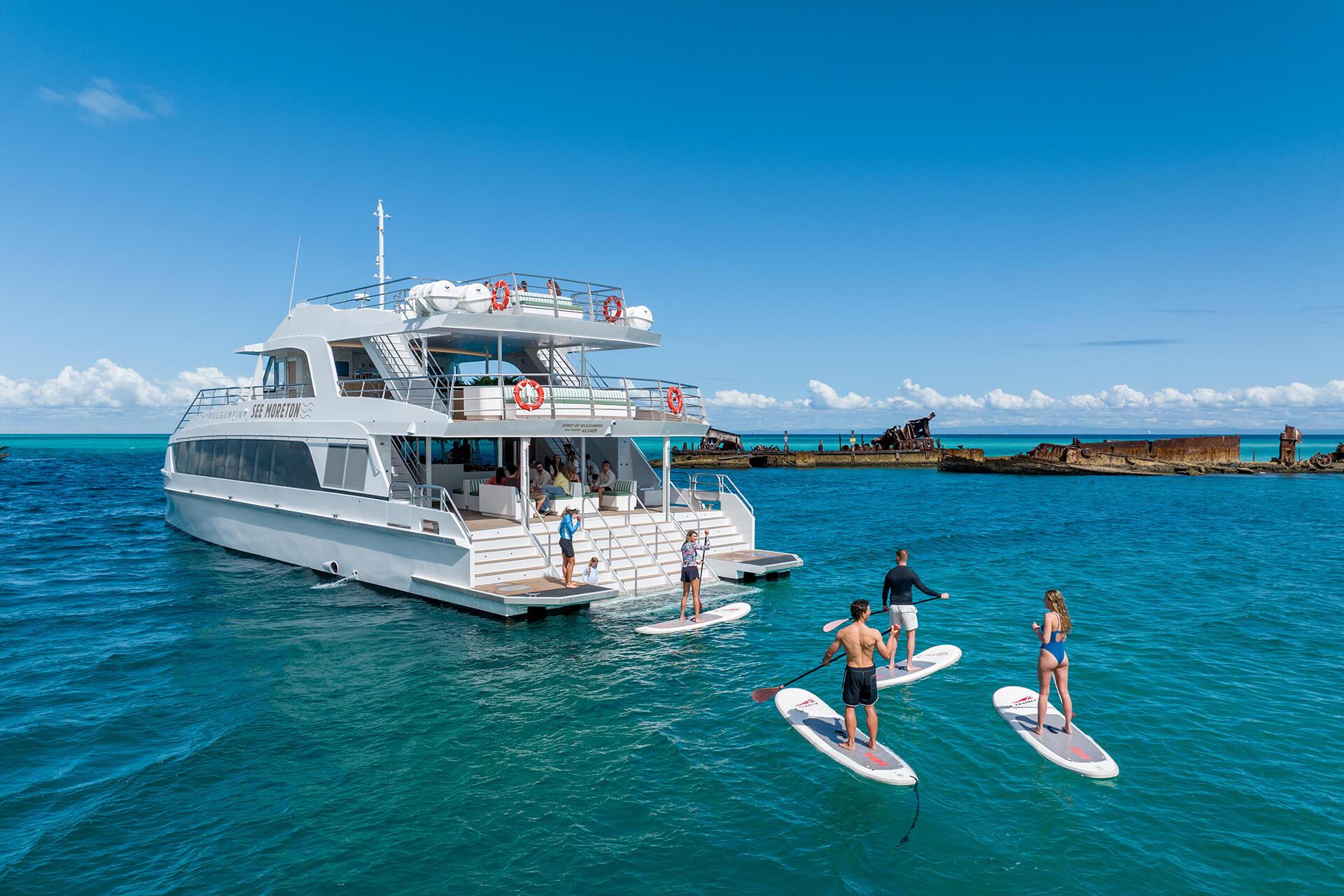
Moreton Island Ferry & Adventure Day Pass from Brisbane

★ 4.3 (1298)
€92
per person
Instant Mobile voucher Flexible — change up to 24h

Full-day island escape with kayaking, paddleboarding, snorkeling and beach activities at Tangalooma

Reserve
Moreton Island Tangalooma Wrecks All-Inclusive Snorkel Cruise 24 hr
Guided Experience

Moreton Island Tangalooma Wrecks All-Inclusive Snorkel Cruise

★ 4.5 (1185)
€166
per person
Instant Mobile voucher Flexible — change up to 24h

Full-day adventure exploring shipwreck gardens, spotting dolphins and dugongs in pristine marine park waters

Reserve

Prices from verified partners. Availability updates in real time at checkout. Free cancellation policies apply where shown.

Highlights

What you'll see inside the attraction

The landmarks, rooms, and views travelers on this tour remember — all visible on a single visit.

Tangalooma Jetty

The primary observation point for the evening dolphin pod arrival and departure of boat transfers.

Tangalooma Eco-Center

The hub for marine education where visitors learn about dolphin biology and conservation from resident Eco Rangers.

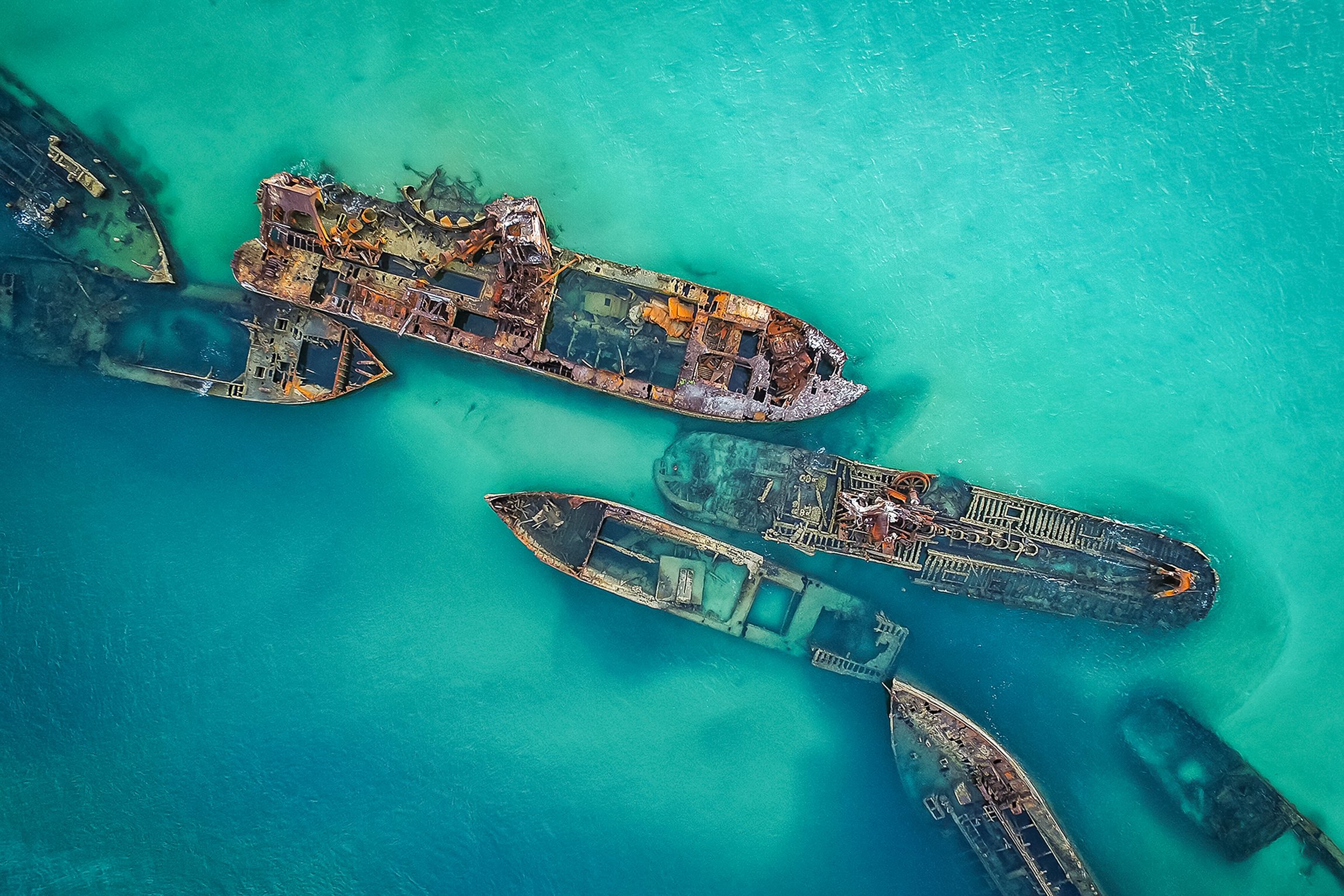
The Tangalooma Wrecks

A collection of 15 purposely sunk ships providing a calm, sheltered snorkeling environment with abundant marine life.

Tangalooma Desert

An inland area on Moreton Island featuring towering sand dunes used for high-speed sand tobogganing adventures.

Head to head

Day Trip to Tangalooma Dolphin Feeding vs Self-Guided Moreton Island Beach Day: Which Suits You?

They complement each other; most visitors who do both find the organized dolphin encounter more educational, while the self-guided beach day offers greater freedom for personal exploration.

Feature Top pick Tangalooma Dolphin Feeding Self-Guided Beach Day
Structure and schedule
Fully flexible
Interaction with wildlife
Observation only
Access to resort facilities
No resort access
Primary purpose
Coastal recreation
Required planning
Minimal preparation
Group vs independent travel
Independent travel

Verdict: Choose a day trip to tangalooma dolphin feeding tour if you prioritize guaranteed animal encounters and resort amenities, or select a self-guided trip if you prefer to set your own pace while enjoying Moreton Bay landmarks.

How your ticket works

Book your ticket in 3 steps

  1. 01

    Book online

    Choose your ticket, select your date, and reserve in under two minutes. Secure checkout handled by our verified partner.

  2. 02

    Receive your mobile voucher

    Instant confirmation by email, with a mobile voucher you can save offline. No printing, no queuing at a collection desk.

  3. 03

    Show & enter

    Arrive at the entrance, show your voucher on your phone, and walk in. Most tickets include priority or skip-the-line access.

Around your visit

Everything else worth knowing

Best time to go, insider tips, nearby landmarks, and the cancellation fine print — flip through to skim what matters to you.

Cancellation policy

Flexible, no hidden fees.

For day trip to tangalooma dolphin feeding tours, cancellations made more than 48 hours prior to travel incur no fee. A 100% cancellation fee applies to bookings cancelled 48 hours or less before the scheduled travel date.

About

The place, in context

Every evening at dusk, wild Indo-Pacific bottlenose dolphins swim into the shallows at Tangalooma, continuing a ritual that began spontaneously in 1992 when local fishermen started sharing their catch. What started as an impromptu interaction became a structured conservation program overseen by University of Queensland marine biologists, who monitor the health and behavior of the resident pod. The beach feeding site, located on the western shore of Moreton Island, hosts up to fourteen individual dolphins each night, each known by name and dorsal fin markings to the research team. Moreton Island itself is the third-largest sand island in the world, a 38-kilometer stretch of dune systems, coastal heathland, and blue lagoons accessible only by ferry or barge. The Tangalooma Resort, built on the site of a former whaling station that operated from 1952 to 1962, transformed the island from an industrial outpost into a nature-focused destination. The fifteen scuttled vessels that form the Tangalooma Wrecks, deliberately sunk in 1963 to create a breakwater for small craft, now serve as Queensland's most accessible artificial reef, attracting schools of trevally, kingfish, and wobbegong sharks within meters of the beach. A day trip to Tangalooma dolphin feeding typically departs Brisbane via high-speed catamaran, crossing Moreton Bay in seventy-five minutes. The package structure includes ferry transfer, resort facility access, and participation in the evening dolphin program, with most operators adding snorkel equipment hire and guided reef tours. Adventure extensions—quad biking across inland dunes, sandboarding at the desert section near Blue Lagoon, kayaking through mangrove channels—fill the daylight hours between arrival and the dolphin encounter window, which opens only after 5:00 PM when natural light begins to fade and the pod approaches the shore. The University of Queensland's long-term study, now in its third decade, documents stable pod demographics and successful calf-rearing rates, evidence that the managed interaction model supports rather than disrupts natural behavior. Visitor numbers at the feeding platform are capped at 150 per session, with participants standing knee-deep in controlled groups while trainers distribute fish under veterinary protocol. The ritual lasts roughly forty minutes, timed to the dolphins' voluntary arrival and departure, preserving the wild status of animals that spend their days hunting across Moreton Bay's seagrass beds and return to Tangalooma by choice, not captivity.

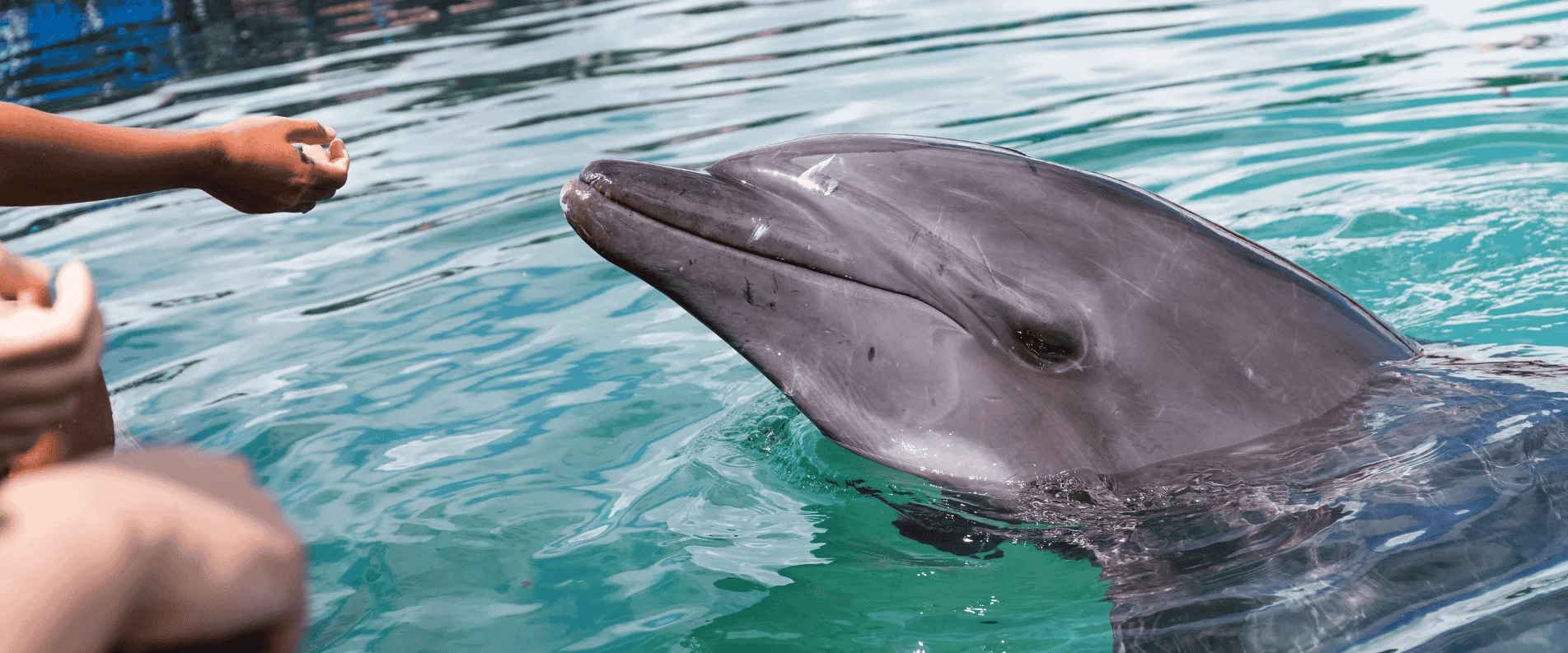
"Wild Indo-Pacific bottlenose dolphins swim into the shallows at Tangalooma every evening, continuing a ritual that began spontaneously in 1992."
Frequently asked

Frequently asked questions about day trip to tangalooma dolphin feeding tours

Is the dolphin feeding guaranteed on a day trip to tangalooma dolphin feeding?

The dolphin feeding is a natural wildlife encounter; attendance by the pod is voluntary and dependent on weather and tidal conditions.

What should I bring for my day trip to tangalooma dolphin feeding?

Bring sunscreen, a hat, swimwear, a towel, walking shoes, and your camera to capture your experience.